


.svg)
.svg)
.svg)
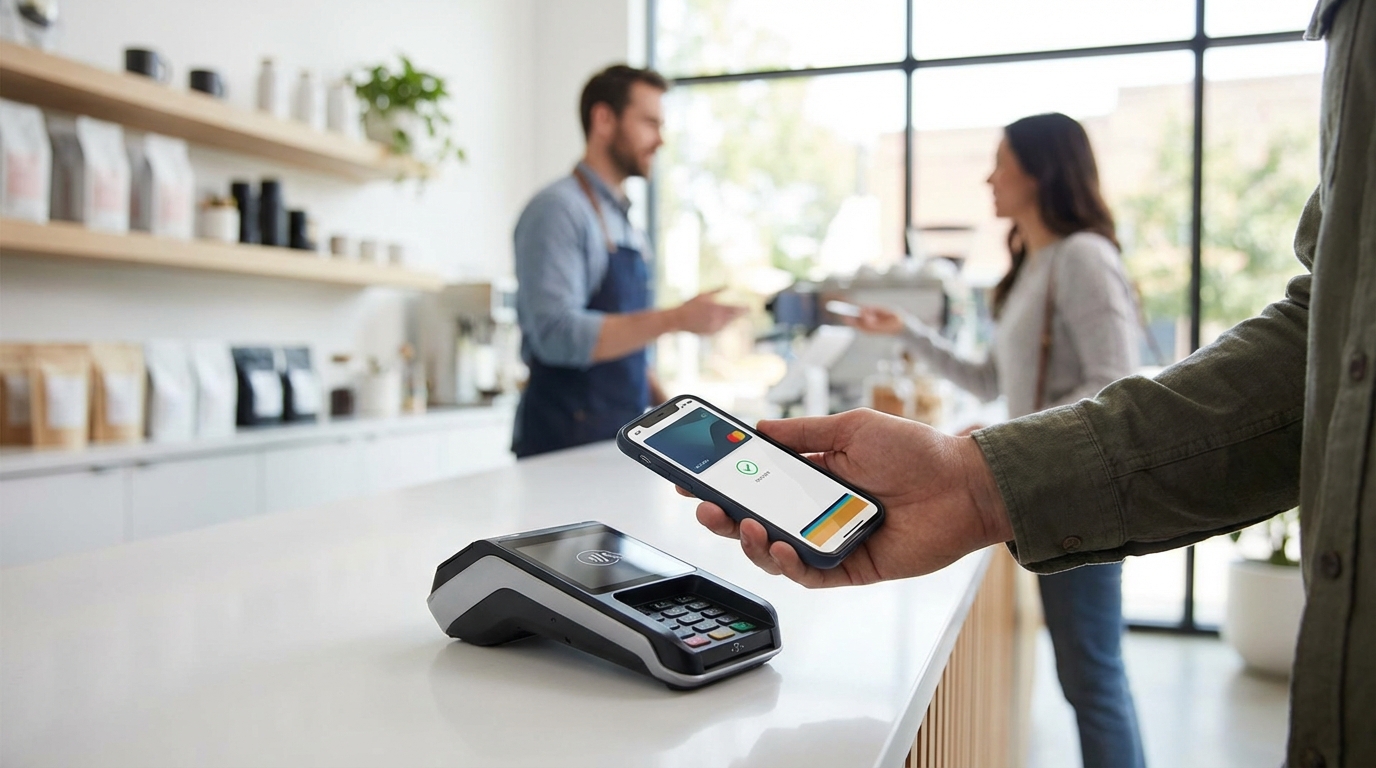
The checkout line at your favorite coffee shop tells a story that's impossible to ignore. Three years ago, most customers fumbled with cards or counted out cash. Today, a quick phone tap and they're gone. This shift represents more than convenience: it signals a fundamental change in how consumers expect to pay for everything. The contactless commerce explosion has arrived, and 2026 marks the inflection point where digital wallet acceptance transitions from a competitive advantage to a basic survival requirement.
Retailers who dismiss this trend as hype face a harsh reality. Mobile payment transactions reached $88.5 billion in 2024 and are projected to surge to $587.5 billion by 2030, reflecting a 38% compound annual growth rate. Apple Pay alone processes $8.7 trillion annually, reaching 650 million users globally. These aren't projections from optimistic analysts: they're documented shifts in consumer behavior that accelerate monthly.
The question isn't whether your business should develop a digital wallet strategy. The question is whether you can afford to enter 2026 without one. Retailers clinging to traditional payment infrastructure will watch their customers walk out the door, smartphones in hand, heading to competitors who respect their payment preferences.
The 2026 Tipping Point: From Convenience to Consumer Expectation
Something shifted in consumer psychology over the past eighteen months. Digital wallet payments stopped being a nice option and became the expected default. This transition occurred faster than anyone predicted, driven by demographic shifts and technological improvements that reduced friction in mobile transactions.
The Demise of Physical Plastic: Tracking the Rapid Decline of Cash and Cards
Cash usage dropped below 20% of retail transactions in 2024 for the first time in American history. Physical card usage is following a similar trajectory, declining 12% year over year as consumers discover the speed and security of tap-to-pay alternatives.
The pandemic accelerated this shift dramatically. U.S. contactless payments increased 50% as consumers prioritized hygiene and speed. What started as a health precaution became a permanent preference. Consumers who switched to contactless methods during 2020 and 2021 never went back.
Retailers report that average checkout times drop by 40% when customers use digital wallets instead of chip cards. That efficiency compounds across thousands of daily transactions, reducing labor costs and improving customer satisfaction scores.
Gen Z and Alpha: Why Digital Wallets Are Their Primary Financial Hub
Consumers under 30 don't view digital wallets as an alternative payment method. They view physical cards as an inconvenient backup for the rare merchant who hasn't caught up with modern infrastructure.
Gen Z consumers opened their first bank accounts in an era when mobile apps already existed. Many have never written a check or used an ATM. Their financial lives exist entirely within smartphone ecosystems, making Apple Pay and Google Pay their default payment mechanism rather than a secondary option.
Generation Alpha, now entering their teenage years with spending power, has even less connection to physical payment methods. They've grown up watching parents tap phones at checkout counters. Asking them to swipe a plastic card feels as archaic as asking them to use a payphone.
Technological Catalysts Driving the Contactless Revolution
The digital wallet explosion isn't driven by marketing campaigns or consumer education. It's happening because the underlying technology has reached maturity levels that make mobile payments genuinely superior to traditional methods.
Next-Gen NFC and Biometric Authentication Security
Modern NFC chips communicate with payment terminals in milliseconds, eliminating the frustrating delays that plagued early contactless systems. The technology has evolved from novelty to reliability, processing transactions faster than inserting a chip card.
Biometric authentication represents the real security breakthrough. Face ID and fingerprint sensors create authentication that's simultaneously more secure than PIN codes and faster than typing numbers. Apple's Secure Element technology stores payment credentials in dedicated hardware that's physically isolated from the rest of the device.
This architecture means that even if someone steals your phone and cracks your passcode, they cannot extract payment credentials from the Secure Element. Hardware-level protection exceeds what plastic cards provide, as anyone who obtains your card number can use it.
The Integration of Central Bank Digital Currencies (CBDCs)
Central banks worldwide are developing digital currencies that will integrate directly with existing wallet infrastructure. China's digital yuan already processes billions in transactions. The European Central Bank's digital euro pilot programs are expanding. The Federal Reserve continues exploring implementation timelines.
These government-backed digital currencies will flow through the same wallet ecosystems consumers already use. Retailers who build digital wallet infrastructure now position themselves to accept CBDCs when they launch, avoiding the scramble competitors will face.
The regulatory frameworks emerging around CBDCs also create compliance advantages for businesses with mature digital payment systems. Early adopters will understand the reporting requirements and transaction monitoring expectations before they become mandatory.
Data-Driven Personalization Through Digital Wallet Ecosystems
Payment processing generates valuable data. Digital wallet transactions generate exponentially more valuable data because they connect individual customers to specific purchases across multiple channels.
Closing the Loop: Connecting Offline Purchases to Online Profiles
Traditional retail analytics hit a wall at the point of sale. You knew what sold but not who bought it unless customers used loyalty cards. Digital wallet transactions change this equation entirely.
When a customer pays with Apple Pay, their device identifier creates a consistent thread connecting in-store purchases to online browsing behavior, email engagement, and app usage. Retailers with sophisticated analytics platforms can finally understand the complete customer journey.
This visibility enables marketing precision that was previously impossible. You can identify customers who browse products online but only purchase in stores, then target them with location-based promotions when they're near your locations.
Real-Time Loyalty Program Integration at the Point of Sale
Loyalty programs have traditionally required customers to remember cards, scan apps, or recite phone numbers. Digital wallet integration eliminates this friction entirely.
Modern loyalty platforms connect directly to wallet credentials, automatically applying rewards and tracking points without requiring any additional action from customers. The purchase triggers the loyalty credit instantly.
This automation increases loyalty program participation rates by 60% or more. Customers who forgot to mention their membership or couldn't find their card now participate in every transaction automatically. The hidden ROI of digital wallets extends far beyond payment processing into customer retention and lifetime value.
Operational Advantages for the Modern Retailer
The strategic case for digital wallet acceptance is compelling. The operational case is equally strong, with measurable improvements in efficiency, security, and cost structure.
Reducing Friction: Faster Checkout Times and Lower Abandonment Rates
Every second of checkout friction costs revenue. Customers who wait too long abandon purchases. Customers who experience payment failures don't return. Digital wallet transactions minimize both risks.
Average transaction times drop from 12 seconds with chip cards to under 3 seconds with contactless payments. During peak hours, this difference results in shorter lines, happier customers, and more transactions per register.
E-commerce abandonment rates show even more dramatic improvements. Customers with saved wallet credentials convert at 35% higher rates than those who enter card numbers manually. The reduction in checkout steps directly correlates with completed purchases.
Mitigating Fraud and Reducing Cost-of-Acceptance
Fraud losses represent a significant expense for retailers accepting traditional payment methods. Chargebacks, disputed transactions, and fraudulent purchases drain margins and consume staff time.
Digital wallet transactions incorporate tokenization that makes stolen credentials useless. Each transaction generates a unique token that cannot be reused. Even if hackers intercept transaction data, they cannot use it for future purchases.
This security improvement reduces fraud rates by 80% or more compared to magnetic stripe transactions. The cost-of-acceptance calculations shift dramatically when fraud losses drop to near zero.
Building a Future-Proof Digital Wallet Roadmap
Deciding to accept digital wallets is the easy part. Implementing a strategy that positions your business for long-term success requires careful platform evaluation and infrastructure planning.
Evaluating Apple Pay, Google Pay, and Super-App Compatibility
Apple Pay dominates the U.S. mobile wallet market with 57% share, reaching 60.2 million domestic users. Google Pay holds 26%, with PayPal capturing 5% and other platforms sharing the remaining 12%. These numbers should guide your prioritization.
Approximately 85% of U.S. retailers already accept Apple Pay, and 92% of card issuers support it. If you're not in that 85%, you're actively turning away customers who expect basic payment acceptance.
Google Pay serves 520 million users worldwide, making it essential for retailers with international customer bases. The platform's integration with Android devices ensures coverage for the substantial market segment that doesn't use Apple products.
Super-apps like PayPal and Venmo require separate integration consideration. Their user bases overlap significantly with Apple and Google Pay users, but some customers prefer these platforms for specific transaction types.
Bridging the Gap Between In-Store Hardware and E-commerce APIs
Omnichannel retailers face unique challenges implementing consistent digital wallet experiences. In-store terminals, e-commerce checkout flows, and mobile app purchases each require different technical approaches.
Modern payment terminals support NFC contactless transactions out of the box. Retailers with hardware older than three years should budget for terminal replacement, as legacy equipment often lacks the security certifications required for modern wallet integration.
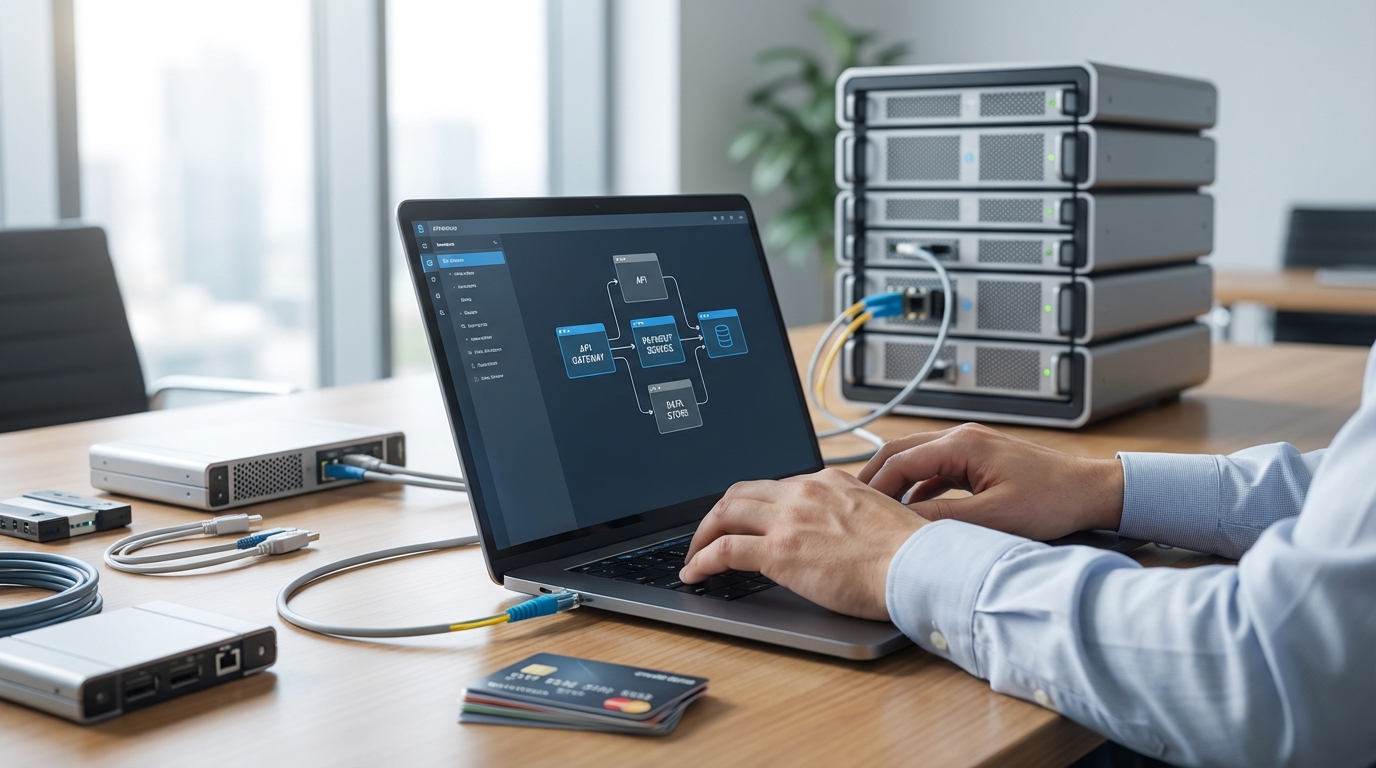
E-commerce implementation requires API integration with wallet providers. Apple Pay for the web and Google Pay APIs connect to existing checkout flows, but implementation complexity varies based on your current payment processor relationships.
The goal is a seamless customer experience across channels. A customer who adds their card to Apple Pay should see consistent acceptance whether they're tapping at your register, checking out on your website, or purchasing through your mobile app.
The Competitive Risk of Stagnation in a Contactless World
Retailers who delay digital wallet implementation face compounding disadvantages. Each month without modern payment acceptance pushes customers toward competitors who meet their expectations.
The demographic reality is unforgiving. Younger consumers with decades of purchasing power ahead of them have already formed payment preferences. They're not going to change their habits to accommodate retailers who refuse to evolve.
Customer acquisition costs continue rising across every channel. Losing customers over payment friction wastes the marketing investment that brought them to your business in the first place. The economics simply don't support maintaining outdated payment infrastructure.
2026 represents the year when digital wallet acceptance stops being optional. Retailers who enter the year without a clear strategy will spend it playing catch-up while competitors capture market share. The contactless commerce explosion isn't a prediction about the future: it's a description of what's already happening.
For businesses ready to build their digital wallet strategy, partnering with experienced fintech providers accelerates implementation and reduces risk. PayCloud Innovations offers secure, scalable solutions for payments, loyalty, and treasury management designed specifically for businesses navigating this transition. Explore their approach to see how modern payment infrastructure can position your business for 2026 and beyond.



.svg)